The First Wave: Why Property Cycles Matter Heading Into 2026
Economic and property cycles don’t disappear — they repeat.
One of the most consistent long-term patterns is the 18.6-year property cycle, researched by economists including Fred Harrison and Phil Anderson.
This cycle shows that major market peaks are often followed by a multi-year down phase affecting property, shares, and the broader economy.
What Happened in 2008?
The Global Financial Crisis marked the end of the last 18.6-year cycle.
In the years that followed:
- Property markets softened
- Share markets fell
- Recessions emerged globally
Those who were liquid and prepared were able to buy assets well below intrinsic value — often setting themselves up for long-term wealth.
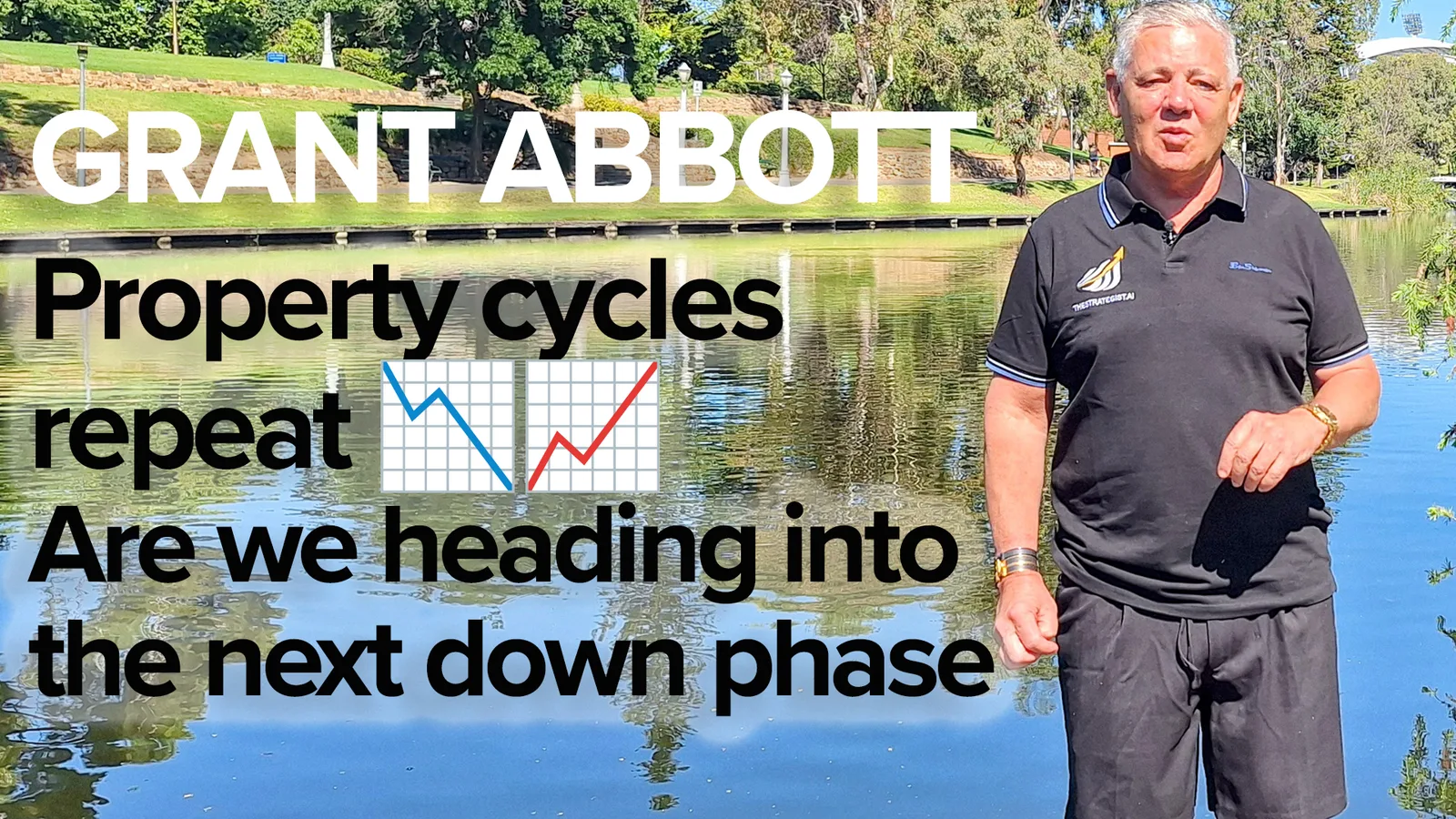 Is the Property Cycle Is Turning Again — Here’s Why 2026 Matters
Why Australia Was Different Last Time
Australia avoided the worst of the GFC largely due to:
- China’s economic boom
- Mining expansion in WA
- Capital inflows tied to commodities
That external support helped cushion the downturn.
The question now is whether those same tailwinds will exist next time.
Video: https://www.youtube.com/shorts/pdAFqQRAq6Y
Why 2026–27 Is Important
Based on the cycle:
- We are approaching the next down phase
- The US market typically leads these shifts
- Australia often follows with a lag
This does not mean collapse. It means:
- Volatility
- Softer prices
- Selective opportunity
For long-term holders (20–30 years), cycles smooth out.For strategic investors, cycles create once-in-a-decade buying windows.
The Takeaway
This isn’t about panic.It’s about positioning.
Liquidity, structure, and patience matter more than prediction.
This is Wave One of the Five Waves — and preparation always beats reaction.
Your client's situation
Whether and how this fits your situation is a conversation with Grant.
Ask the free strategist the what and the why, then book a private session to work through the how.